
Economy

Moving gig work into good work: Making sense of the new legal landscape around the gig economy
The debate over the employment status of gig workers continues to play out in California legislation. What can Canadian regulators learn for our own first attempts at legislation from California’s decision to enact Assembly Bill 5?

Bridging the Urban-Rural Divide in Canada
Over the past year, PPF's Prime Ministers of Canada Fellow, Sean Speer has been exploring urban and rural differences in Canada and how policymakers, business and community leaders, and the public can work to bridge the growing cultural, political and socio-economic characteristics of the urban-rural divide.

Speer: Is Canadian politics shaped by “the revenge of places that don’t matter”?
The economic gap between urban and rural places in Canada is significant and we cannot afford to let distressed communities come to the view that they don’t matter. PPF’s Prime Ministers of Canada fellow Sean Speer stresses the importance of cultivating a shared understanding of urban and rural cultures, and will travel across the nation in order to formulate a policy agenda that can bridge the urban-rural divide.

Skills Next
As the future of work continues to evolve, so too do the skills that Canadians will need to succeed. Over the summer, the Public Policy Forum, the Diversity Institute at Ryerson University and the Future Skills Centre will release six new reports to identify the most important issues currently impacting skills policymaking. Read key takeaways in each report that will strengthen policymaking and build a strong foundation intended to help support further research.

Announcing PPF’s 2019 Prime Ministers of Canada Fellow
PPF’s 2019 Prime Ministers of Canada Fellow Sean Speer to study urban-rural divide.

Beyond the Big City
How can small communities and rural areas in Canada attract and retain newcomers, most of whom prefer to settle in a few large metropolitan areas? This report examines the experiences of five communities that have looked to immigration to help reverse declining populations and boost economic prospects, and proposes short and long-term solutions.
Let’s build a better Canada together. Whether you’re looking to support our mission by becoming a member, partnering with us on a project or sponsoring an event, your engagement helps drive informed, inclusive policy across the country.

Five big things we learned at the Brave New Work Conference
The prospect of losing our jobs to automation may keep us up at night and change our politics, but there are other factors at play, too. Here are five key challenges and some smart policy responses that emerged at the inaugural Brave New Work Conference.

Automation, AI and Anxiety: Policy Preferred, Populism Possible
Who is fearful of automation and what do they want politicians to do about it? This paper finds a correlation between Canadians’ fear of job losses from automation and populist and nativist views—but also that Canadians favour traditional government policy approaches to job disruption, such as retraining, more than radical measures such as reducing immigration.

Why the future of work may be the most pressing issue of our time
Today’s technological revolution holds out tremendous promise to improve our lives and work, writes PPF's President and CEO Edward Greenspon, but we must ensure its opportunity is available to all, and that policy softens the downsides of the disruption it causes. Join our Brave New Work project to be part of the solution.
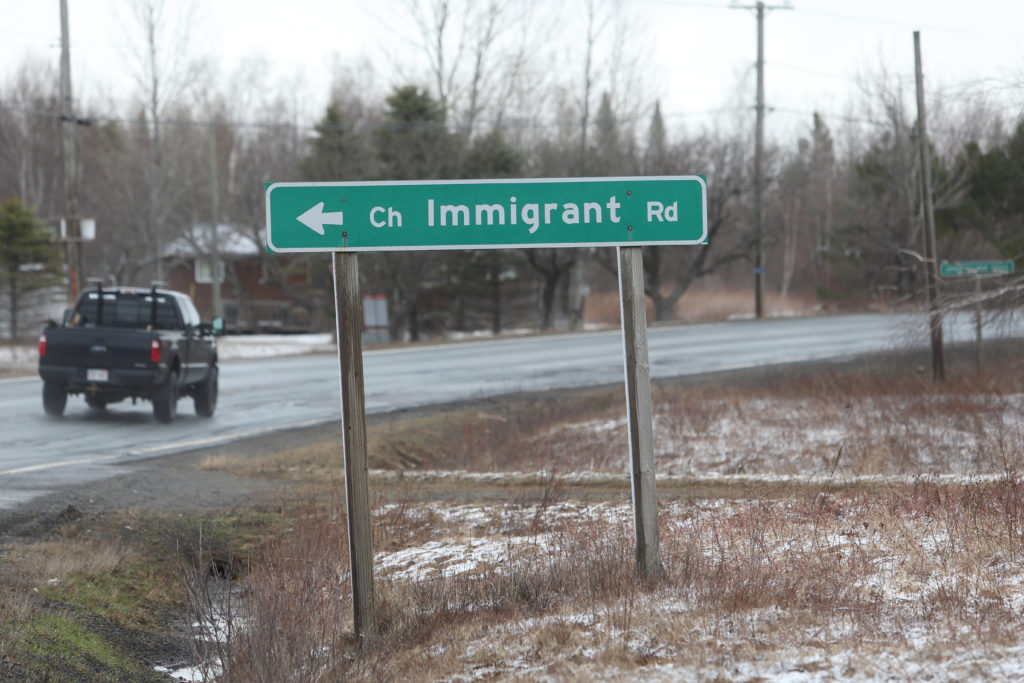
Atlantic Newsletter #4: How small communities in rural areas can attract and retain newcomers
In the fourth edition of our Atlantic Immigration & Revitalization Newsletter, PPF and research associate Kelly Toughill explore the challenges that rural areas face when attracting and retaining newcomers and the barriers that newcomers face when living in small communities.

Past Event
Work in Progress: Why jobs are changing and where are the opportunities for all?
And why are jobs changing? Join the Indigenomics Institute's Carol Ann Hilton and Microsoft's Edoardo de Martin for a dialogue facilitated by SFU's Mark Winston on June 14 in Vancouver.

Facilitating the Future of Work Through a Modernized EI System
Gaps in Canada’s Employment Insurance program are already leaving too many workers behind as gig work, part-time jobs and self-employment grow. EI needs to be modernized now to support Canadians as they transition to an economy and labour market disrupted by technology and automation.

Speer and Asselin: How Canada can compete in the intangibles economy
The rise of the intangible economy requires us to re-evaluate, refine and reorient how we think about economic policy and aim to position Canada to compete in a new market dynamic. The stakes are high. We need to make the right choices today if we want to thrive in an era of intangibles. And some of these decisions challenge decades of conventional wisdom.

A New North Star
Rapid and far-reaching changes to the global economy, driven by technology, demographics and geopolitics, are forcing us to rethink some of the core assumptions of what makes a nation competitive or not. Robert Asselin and Sean Speer offer a bi-partisan strategy for what Canada can do in a data-driven 'intangibles' economy.

Canada’s Associations See What’s Trending in the Future of Work
From new ways of approaching lifelong learning to recognizing that technology is not the only driver of workplace change, representatives of Canadian associations shared their perspectives on the changing nature of work and how workers and employers are affected.