
Brave New Work
Three year initiative with multiple projects and events per year in support of this PPF strategic focus area.

Emerging Stronger: Addressing the Skills Under-Utilization Challenge for the Future of Work in Canada
How can Canada use its highly skilled workforce as we transition to a knowledge economy? In their new report, AJ Tibando and Arvind Gupta explore Palette Inc., a not-for-profit platform that was created to upskill diverse and non-traditional workers in an ICT sector biased against hiring them. It looks like the Palette model is working.
The Future is Now: Creating Decent Work Post-Pandemic
Artificial intelligence, advanced robotics, the sharing economy and other emerging technologies were expected to upend the nature of how people work, eliminate an array of routine and repetitive tasks, and put pressure on social support frameworks designed for a different era. These impacts expected to be felt in the near to medium term suddenly find themselves present. The need to reinvent Canada's social and economic policy frameworks has a newfound urgency.
A Place-Based Lens to the Future Of Work in Canada
An urban-rural scan of potential long-term effects of the future of work shows the negative effects of a displaced workforce will be felt disproportionately among rural residents, who make up the majority of high-risk employment sectors that will succumb to technology-induced disruption. Understanding how these changes could affect urban centres vs. rural areas is a crucial ingredient to long-term policymaking and key to creating an effective place-based policy agenda for Canada to manage those disruptions and keep an urban-rural economic divide that already exists from growing

It’s not a problem we need to solve, it’s really about good management
As the world of work continuously shifts, modernizes and innovates, what moves can be made to get and stay ahead when it comes to making work more accessible? PPF co-hosted The Future of Accessible Work panel discussion with Microsoft Canada featuring national and international accessibility leaders & advocates. This speaker series engaged PPF members to learn about accessibility and inclusion straight from the experts. To keep the conversation going and share our lessons learned, we have encapsulated five significant takeaways from the discussion.

Past Event
Turning Point 2020: When the Future of Work Became the Present
When we look back on 2020, we’ll see a turning point, but right now the destination is unclear. This free, 3-part virtual conference on the future of work in Canada was held on June 16, 17, & 18th, 2020.

Brave New Work Newsletter #4
In the fourth edition of our Brave New Work Newsletter: Our latest report on rebalancing bargaining power in the future of work, a panel discussion on the future of Alberta's energy sector, and two of our latest blog posts.
Let’s build a better Canada together. Whether you’re looking to support our mission by becoming a member, partnering with us on a project or sponsoring an event, your engagement helps drive informed, inclusive policy across the country.
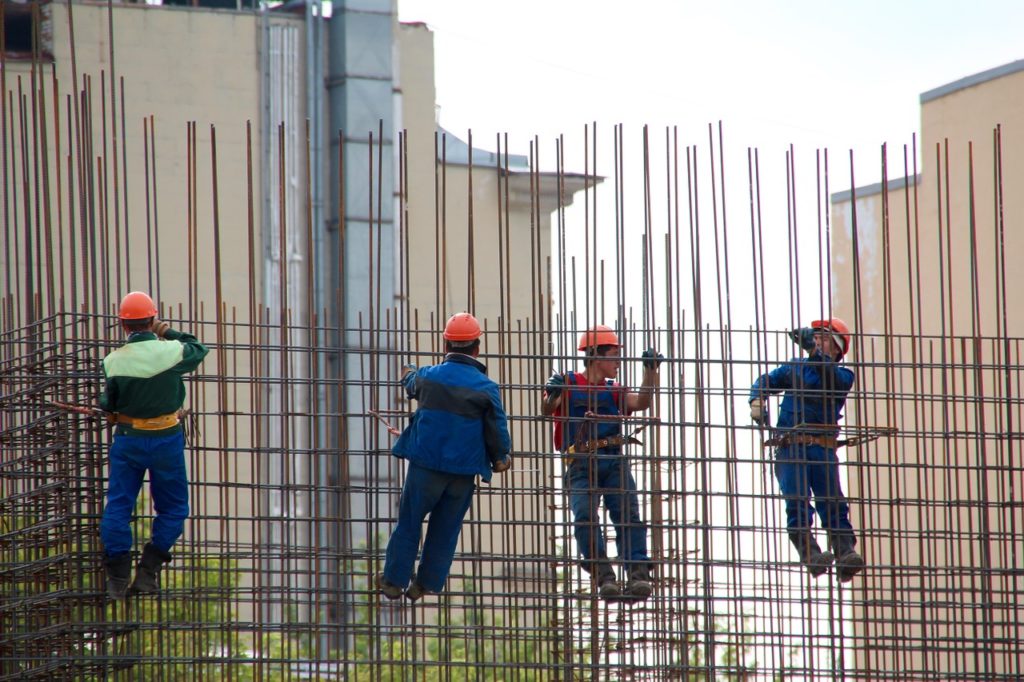
Managing Precarious Work: Three Canadian Models for Rebalancing Bargaining Power in the Future of Work
Hear the expression “precarious employment” or the “gig economy” and you’ll almost certainly think of the Uber driver who took you to the airport last week. However, precarious employment dates back much further. This report examines three entrenched models—construction workers, those in film and theatre, and those in academia—for recommendations governments can use to address the growing challenge of gig work.

Stewarding AI and cultural change: It’s everybody’s business
What will it take to steward digital development and support workers and the broader public as we transition to a more automated future? Emerging leaders from the Banff Forum say the underlying principles we follow – and insist on – may make all the difference.

Moving gig work into good work: Making sense of the new legal landscape around the gig economy
The debate over the employment status of gig workers continues to play out in California legislation. What can Canadian regulators learn for our own first attempts at legislation from California’s decision to enact Assembly Bill 5?

Old Gigs, New Gigs: Are Courts and Legislators Reinterpreting an Age-Old Debate for the New World of Work?
Courts and legislatures are deciding whether your Lyft driver is an independent contractor or an employee. The classification is a big deal, affecting workers' protections through to retirement. This paper surveys the current state of the gig economy and how courts, tribunals and legislatures in North America and the UK are tackling the issue of employment classification.

Learning to Change: Worker Resilience and Adaptability
What does it mean to be adaptable and resilient as a worker, in the face of radical changes to work? With a focus on Alberta, emerging leaders from the Banff Forum and the City of Edmonton discussed policy lessons and policy solutions to prepare individuals and employers for workforce change.

Paycheque to Paycheque: Coping with Income Volatility as Work Changes
What can we do about workers living paycheque to paycheque, with the rise of the gig economy and future changes to work? Emerging leaders from the Banff Forum gathered and came up with a holistic set of policy measures for improving the well-being of workers and to help prevent economic marginalization as work changes.


Brave New Work Newsletter #3
In the third edition of our Brave New Work Newsletter: Five things we learned at our Brave New Work Conference, our latest report on the correlation between Canadians’ fear of job losses from automation and populist and nativist views, and a new blog post on why 'robots will replace us' thinking is not that simple - or that scary!

Robots will replace us!
The most popular way of analyzing the future of work — the labour substitution model — is far too narrow for our complex world. By looking at three other dimensions of change, we can better understand, and prepare for, tomorrow’s opportunities.