
Future of Work

Speer and Asselin: How Canada can compete in the intangibles economy
The rise of the intangible economy requires us to re-evaluate, refine and reorient how we think about economic policy and aim to position Canada to compete in a new market dynamic. The stakes are high. We need to make the right choices today if we want to thrive in an era of intangibles. And some of these decisions challenge decades of conventional wisdom.

A New North Star
Rapid and far-reaching changes to the global economy, driven by technology, demographics and geopolitics, are forcing us to rethink some of the core assumptions of what makes a nation competitive or not. Robert Asselin and Sean Speer offer a bi-partisan strategy for what Canada can do in a data-driven 'intangibles' economy.

Brave New Work Newsletter #1
In this first edition of our Brave New Work Newsletter: A new report on the strengths and weaknesses of Canada's training systems, what Canada’s associations see trending in the future of work, and students imagine how Canadians would learn if universities and colleges no longer existed.

Canada’s Associations See What’s Trending in the Future of Work
From new ways of approaching lifelong learning to recognizing that technology is not the only driver of workplace change, representatives of Canadian associations shared their perspectives on the changing nature of work and how workers and employers are affected.

Skills, Training and Lifelong Learning
Training for working Canadians is scarce, and the people who most need it are the least able to get it. As global competition and technological change increase, Canada needs to create effective and inclusive systems of training, which are essential for innovation, growth, employment and good incomes. In this report, Daniel Munro looks at Canada's strengths and weaknesses, training models from around the world, and suggests improvements to lifelong learning systems.

Past Event
Brave New Work Conference
Technology, demographics and other factors are transforming the world of work – and quickly. Push aside the dystopian scenarios and watch this discussion that helped shape policy pathways to enable Canadians to thrive in the jobs of the future.
Let’s build a better Canada together. Whether you’re looking to support our mission by becoming a member, partnering with us on a project or sponsoring an event, your engagement helps drive informed, inclusive policy across the country.


Canada Next: Collected reports and summaries
Get the whole Canada Next series in one document. Choose the complete collection of full reports, a collection of summaries only, or a recap of recommendations for provinces, territories and municipalities.

Three ways to reduce anxiety about the future of work
Rapid change in how we work can stoke fears of a jobless future, but these key policy changes can help turn anxiety into opportunity.

Brave New Work
PPF’s three-year future of work initiative will bring government, employers, education providers, individuals and labour together to find pathways for Canadians and Canadian firms to prosper in a changing world of work.

Migrants find jobs, prosperity — if they stay in region
Immigrants who stay in Atlantic Canada have higher employment levels, higher wages and face less discrimination than immigrants to other parts of Canada, yet the region struggles to attract newcomers and has the lowest retention rates in Canada.
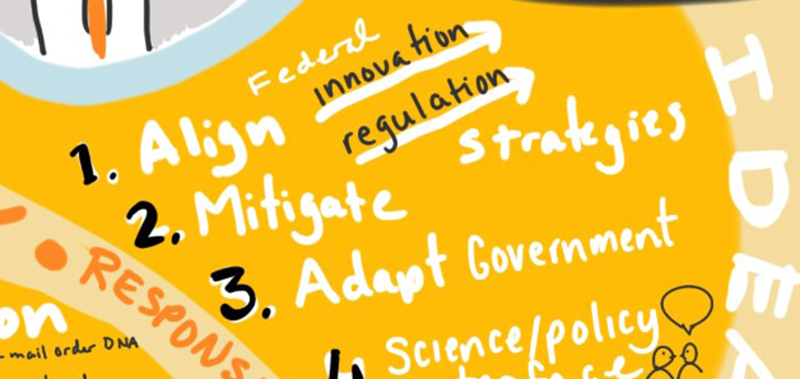

Public Policy Forum and TD Bank Group announce multi-year Future of Work strategic partnership
During the April 12 Testimonial Dinner, TD Bank Group's Norie Campbell announced a three-year initiative with PPF to advance a pan-Canadian policy dialogue on the changing nature of work.

How Atlantic Canada businesses keep their foreign workers
Whether they wear steel-toed boots or ballet slippers, workers from abroad are in high demand in Atlantic Canada. As Kelly Toughill found, successful companies have learned that keeping recruits happy requires more than a paycheque
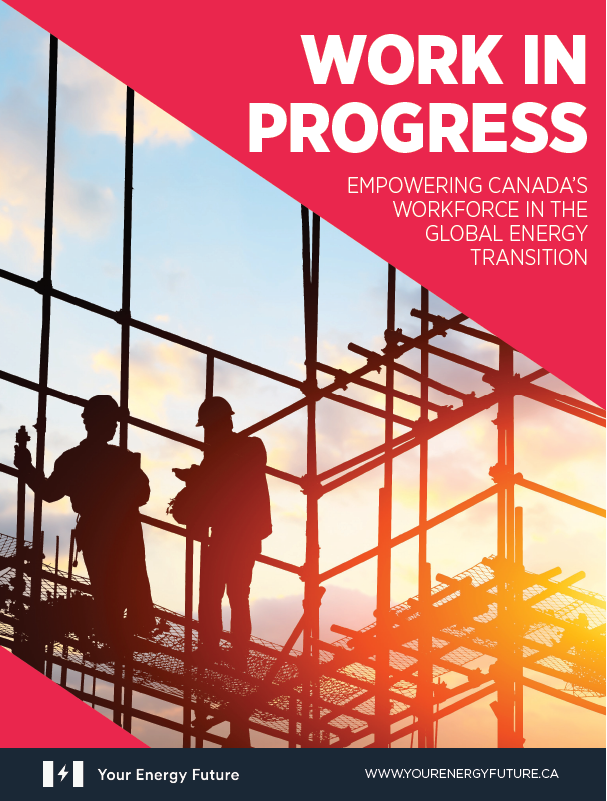
Work in Progress – Task Force 2 Final Report
How do we prepare Canada’s workforce to lead in the global clean energy sector?